

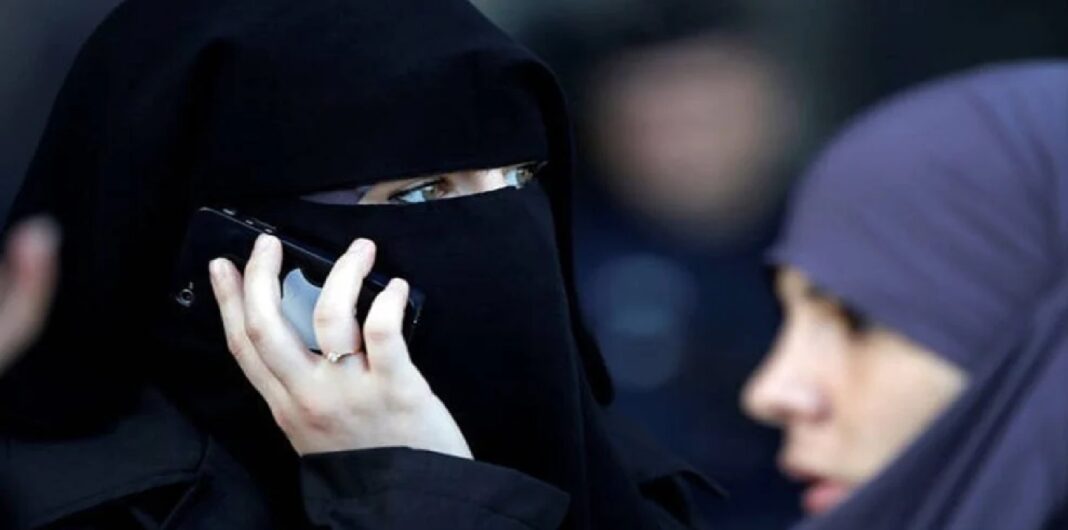

Symbolic image
A new law against face coverings has officially come into effect in Portugal. It is now completely forbidden to cover your face in any public place in the country.
Failure to comply with the law, which comes into effect from Wednesday (September 23), can result in fines ranging from a minimum of 150 euros to a maximum of 3,000 euros, depending on the nature of the offense.
Although it was known as the ‘Burqa Act’ during its discussion in Parliament, the original law does not mention any specific religion or religious dress. Basically, it is a crime to completely hide or cover the face with anything. This rule must be followed everywhere, whether on public roads, in parks, in government offices, at events or in movements.
However, there are some reasonable exceptions. For example, if you need to cover your face due to physical illness or professional reasons, for artistic, cultural or advertising purposes, or if you cover your face due to extreme cold or bad weather, there will be no penalty. In addition, religious institutions (such as mosques or churches), airplanes, and diplomatic missions of various countries are excluded from this rule.
The amount of the fine will depend on whether the crime was intentional or accidental. For accidental or negligent violations, the fine will be between 150 and 750 euros, and for knowingly and intentionally violating the law, the fine will range from 400 to 3,000 euros. The police will only record the incident, and the local municipality will make the final decision on the amount of the fine.
Another important point has been added to this law. That is, no one can be forced to cover their face by force. If someone forces another person to cover their face by using intimidation or abusing their power, they can be imprisoned for a maximum of two years or fined a large sum. And if the person to whom this wrong is done is under 18 years of age, the punishment will increase by one-third.
The law was originally designed to ensure Portugal’s overall security. After lengthy political discussions and a vote, the country’s president gave final approval to it last August. The Portuguese government decided to introduce the law to maintain public safety and social cohesion.
Source: The Portugal News.